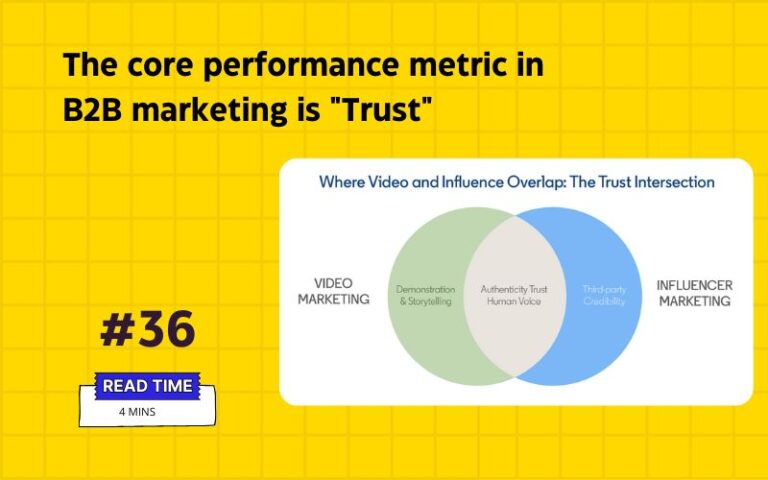
In B2B manufacturing, we don’t just sell “products”; we sell integrated solutions, long-term reliability, and specialized engineering. Recently, there has been a push to automate the sales funnel using AI to cut costs. But in an industry where a single wrong specification can shut down a production line for weeks, “automated sales” is a high-risk gamble.
With my little research that I did, I found around 4 out of 10 companies have AI chatbots integrated on their websites. Below are some compiled screenshots:
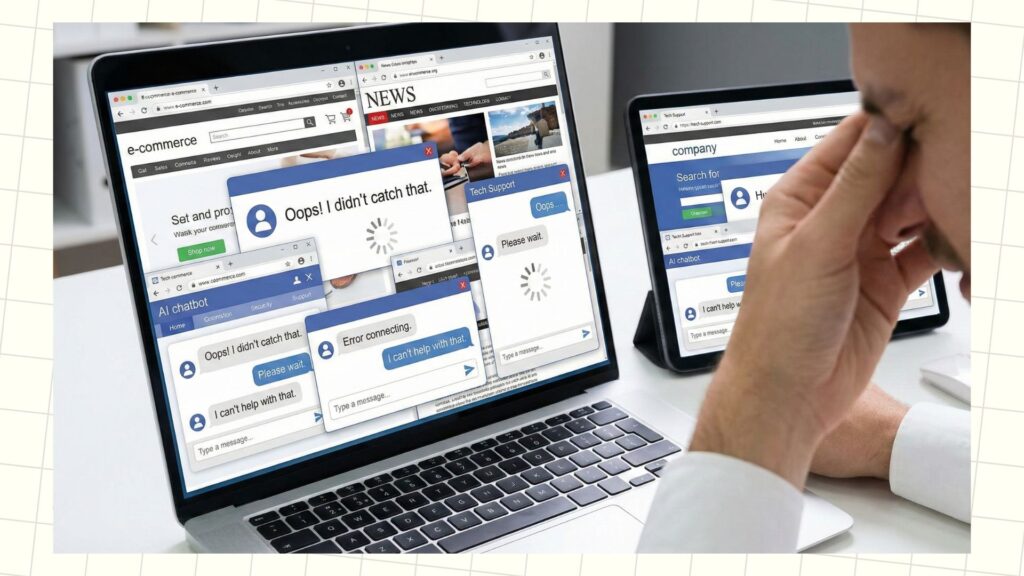
A few things are happening here:
- Business owners are being lured by the idea of AI, as presented to them by “AI marketing companies.”
- The fear among Business owners getting “Outdated” and not following the “Trend” is impacting the decision making.
- The aggressive marketing of AI companies suggesting that unable to use these tools, you will be “Out of Business”.
Let’s understand how the replacement of sales teams with AI is a mistake:
From “Generic Chatbots” to “Product Specialist Access”
Most B2B homepages are now cluttered with “helpful” AI bots. However, for a plant manager looking for a custom CNC configuration or an IoT Asset tracking solution, a chatbot feels like a barrier, not a tool. Most Business owners feel it’s cool, but its not. Trust me!
The AI Flaw: Chatbots are programmed to follow pre-set scripts or broad data models. They cannot handle the “What if…” scenarios unique to a custom manufacturing floor.
The Human Advantage: Replacing the chatbot with a direct link to a “Product Specialist” (including their name, photo, and direct line) instantly signals authority. In B2B, a buyer doesn’t want to “chat”; they want to consult with a peer who understands about the product and has deep knowledge about the product.
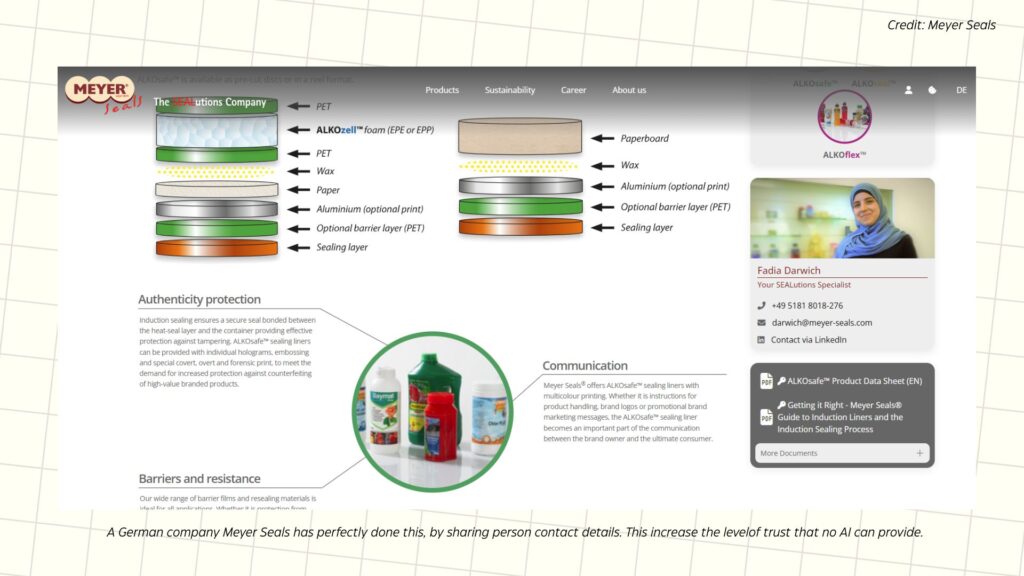
Pro Tip: Instead make use of AI to connect a Direct sales person to the customer through website automation and customer profiling
The Failure of Automated WhatsApp “Nurturing”
We’ve all seen the automated B2B WhatsApp sequences: “Hi, did you see our quote?” In high-ticket manufacturing, these feel transactional and dismissive. Although there are sophisticated AI tools available to make it look like a real person, but it still lacks Context.
The AI Flaw: Automation treats every lead like a standard unit. It ignores the fact that in B2B, every requirement is a unique project. A one-size-fits-all follow-up fails to account for the specific technical nuances of a client’s RFQ.
The Human Advantage: A human sales engineer knows that the follow-up isn’t just about the price, it’s about addressing a specific technical concern or a logistics hurdle discussed in the previous meeting. Personal attention proves that you view the client as a partner, not just a line item.
Pro Tip: Use Email marketing to provide specific problem-based content. This can actually bring value to the customer and there are high chances that you might get a response.
The “Identity Crisis” in Digital Trust
With the rise of deepfakes and AI-generated voices, a “Crisis of Trust” is emerging in digital sales. If a buyer doesn’t know who is on the other side of the screen, they are less likely to commit to a multi-year contract.
The AI Flaw: When a response feels “too perfect” or “too fast,” buyers begin to wonder if they are talking to a bot. This creates a psychological distance.
The Human Advantage: Establishing a “Face of the Brand” is essential. Knowing that “Sanjay from X company” is the one standing behind the quote provides the accountability that B2B buyers crave. You can’t hold an AI accountable for a failed implementation, but you can trust a professional who puts their reputation on the line.
Pro Tip: Content is the new performance marketing tool to develop trust. Make use if AI to create content at scale across the company sales staff and create value for customers.
The Empathy Gap in Supply Chain Realities
In manufacturing, things rarely go 100% according to plan. Raw material prices spike, shipments get stuck at customs, or a machine breaks down.
Pro Tip: Dont expect any AI to solve real problems. As a company allow sales person to act on field and develop customer loyalty
AI lacks the capacity for empathy. An AI bot can offer a “system-generated apology” and a discount code, but it cannot understand the stress of a plant manager facing a production shutdown.
The Human Advantage: A human salesperson can offer a “human heart and mind” to the problem. They can navigate the internal politics of their own company to prioritize a loyal client’s order or offer a creative workaround that an algorithm would never consider. Empathy is what turns a one-time vendor into a long-term strategic partner.
Conclusion: AI as a Tool, Not a Replacement!
The goal for B2B manufacturing shouldn’t be to replace the salesperson, but to supercharge them.
Use AI to handle the administrative burdens—logging data, drafting basic follow-ups, or analyzing market trends—so your sales engineers can spend more time on the factory floor with customers.
The future of manufacturing sales belongs to those who use technology to enhance human connection, not those who use it to hide from their customers. Trust is the only currency that doesn’t depreciate, and you can’t automate trust.